Discover the Beauty and History of Balboa Park
Balboa Park, a cultural hub of San Diego, showcases a rich history complemented by beautiful architectural designs. Established in 1868, the park features remarkable buildings that reflect its historical significance, especially from the 1915 Panama-California Exposition. Guests can discover a variety of museums and gardens, each providing unique experiences. Yet, there is much more to uncover about the park's lesser-known treasures and local gatherings that enhance its lively character.
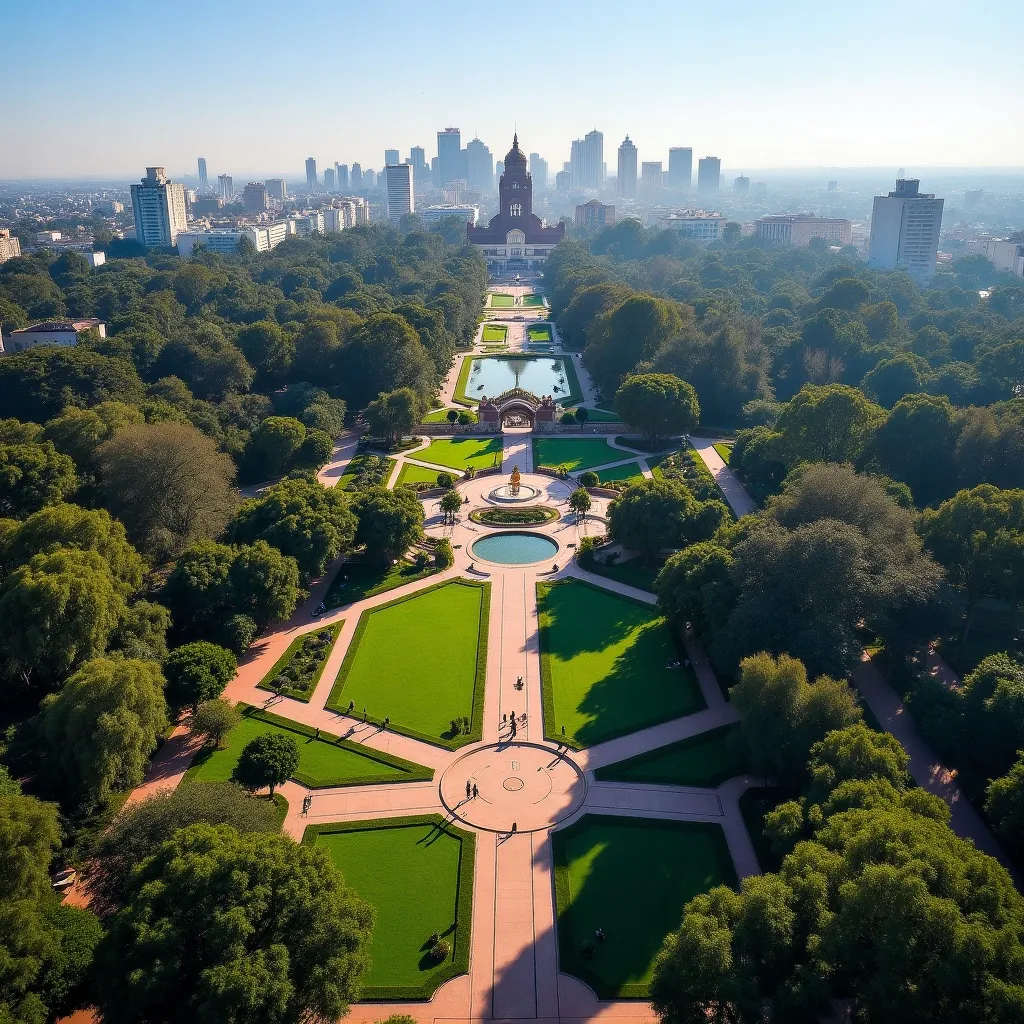
The Historic Significance of Balboa Park
Balboa Park, established in 1868, represents a major recreational and cultural venue brimming with immense historical significance in San Diego. Originally designated as a public park, its development quickened throughout the early 1900s, particularly during the 1915 Panama-California Exposition, which presented San Diego's expansion and aspirations. The exposition catalyzed the construction of numerous landmark buildings, with many representing Spanish Colonial Revival architecture, a defining element of the park.
Throughout the years, Balboa Park has functioned as a location for various cultural events and festivals, highlighting its function as a community gathering space. The park's rich history is also interwoven with the narratives of indigenous peoples and original inhabitants, reflecting the diverse tapestry of San Diego's past. Today, Balboa Park exists not only as a leisure location but also as a symbol of the city's historical evolution, embodying its artistic legacy and commitment to community areas.
Best Art Galleries to Discover in Balboa Park
While touring the vibrant landscape of Balboa Park, visitors find an impressive array of museums that address diverse interests. The San Diego Museum of Art excels with its extensive collection of European and American art, presenting a glimpse into various artistic movements. Meanwhile, the Natural History Museum engages audiences with its rich displays of fossils, gemstones, and live animal exhibits, perfect for families and nature enthusiasts alike.
For those fascinated by scientific pursuits, the Fleet Science Center offers engaging displays and an IMAX theater, making learning engaging and fun. The Museum of Photographic Arts displays stunning visual narratives, while the Timken Museum of Art offers a closer encounter with its European and American masterpieces. Each museum contributes to the cultural tapestry of Balboa Park, ensuring that visitors leave with a greater understanding for art, science, and history.
Architectural Features of Balboa Park
Balboa Park provides a remarkable array of architectural gems, distinctly displaying the celebrated Spanish Colonial Revival style. This unique aesthetic is accompanied by a eclectic combination of architectural influences that showcase the park's rich history. As visitors explore, they come across structures that share narratives of cultural importance and artistic innovation.
Prominent Spanish Colonial Revival
In the center of San Diego, the architectural treasures of Balboa Park illustrate the classic Spanish Colonial Revival style, which originated in the early 20th century. Marked by its unique arches, tile Balboa Park activities roofs, and elaborate stucco facades, this movement takes influence from Spain’s rich cultural heritage. Prominent structures, including the California Tower and the Museum of Us, exemplify the ornate detailing and vivid colors that define the style. The park's buildings blend with lush gardens and tranquil plazas, forming a picturesque environment that welcomes exploration. Every structure tells a cultural story, showing the city’s commitment to preserving its historic roots while honoring the charm of Spanish-inspired architecture.
Varied Architectural Styles
As guests explore Balboa Park, they encounter a stunning collection of architectural styles that reflect the diverse cultural influences shaping San Diego. The park showcases the detailed details of Spanish Colonial Revival, defined by its textured walls and colorful tile work. In comparison, the refined classical buildings, such as the San Diego Museum of Art, provide a glimpse into European design movements. Modernist styles are visible in the sleek lines of the Mingei International Museum, while the whimsical designs of the Old Globe Theatre reflect Shakespearean influences. Each structure tells a narrative, weaving together a abundant tapestry of heritage and tradition. This design variety not only enhances the park's beauty but also strengthens its historical significance.
Tour Balboa Park's Magnificent Gardens
The spectacular array of gardens within Balboa Park displays a diverse spectrum of flora, inviting visitors to engage themselves in nature's beauty. Among the most remarkable is the Botanical Building, a Victorian-era structure containing an extensive collection of tropical plants and orchids. Nearby, the Rose Garden boasts over 1,600 vibrant rose bushes, creating a fragrant oasis that enchants the senses.
The Japanese Friendship Garden, with its tranquil koi ponds and meticulously raked gravel, offers a calm escape, showcasing traditional Japanese landscape design. Meanwhile, the Desert Garden showcases arid plants from around the world, illustrating the resilience of life in harsh conditions.
Each garden recounts a singular narrative, helping to the park's overall charm and environmental spectrum. In unity, they provide an enriching experience, allowing visitors to appreciate the intricate relationship between nature and artistic expression within this historic urban landscape.
Fun Things to Do for All People in Balboa Park
Numerous activities await visitors of all ages in Balboa Park, ensuring a memorable experience for everyone. Families can explore interactive exhibits at the San Diego Natural History Museum or enjoy the intriguing marine life at the Birch Aquarium. Art enthusiasts can wander through the San Diego Museum of Art, while children delight in the lively playgrounds scattered throughout the park.
For people in search of nature activities, the park presents hiking trails and beautiful areas suitable for picnics. The classic carousel and miniature train provide nostalgic fun for young visitors. Also, yearly celebrations, such as open-air musical events and cultural festivals, showcase the park's lively local energy.
Visitors can also enjoy organized excursions, which offer understanding of the park's extensive historical and architectural features. With such a broad selection of activities, Balboa Park authentically serves the preferences and pleasure of all who enter its scenic landscape.
Recommendations for Traversing Balboa Park
Wandering through Balboa Park can often be an enjoyable undertaking for new visitors. To improve their experience, it is recommended to start at the Visitor Center, where maps and brochures are easily accessible. These resources provide useful information into the park's layout and features. Visitors should prioritize their must-see destinations, as the park spans over 1,200 acres and provides many gardens, museums, and trails.
Choosing to visit on weekdays can minimize crowds and allow a more relaxed exploration. Comfortable walking shoes are a must, considering the park's varied terrain. Using the tram service is a smart way for visitors to travel further efficiently. Additionally, it’s wise to check the park’s calendar for any special exhibits or installations. Finally, taking time to explore hidden areas can yield unexpected discoveries, enriching the overall experience at Balboa Park.
Cultural Activities and Community Engagement in Balboa Park
Cultural events and community engagement at Balboa Park convey vibrancy, where diverse programs honor art, history, and local traditions. The park operates as a dynamic hub, featuring numerous festivals, performances, and workshops that draw residents and visitors alike. Annual events like the Balboa Park December Nights exhibit the rich cultural tapestry of San Diego, highlighting live music, dance, and food from various communities.
Furthermore, Balboa Park encourages diversity through its community outreach initiatives, inspiring involvement from all demographics. Learning initiatives, often held in collaboration with local educational institutions, boost understanding of the park's cultural heritage and the creative disciplines. Through these endeavors, Balboa Park not only preserves its legacy but also fosters a sense of connection among its visitors. This commitment to cultural engagement makes Balboa Park a vital part of San Diego's character, enriching the lives of those who visit and reside in the area.
Popular Inquiries Asked Often
What Are the Access Hours of the Park Throughout the Year?
Balboa Park usually opens daily at 9 a.m. and shuts down at 5 p.m. in winter months, stretching hours to 6 p.m. throughout spring and summer, with some attractions having different schedules across the year.
Do You Have to to Pay an Entry Charge to Access Balboa Park?
Balboa Park does not require an entrance fee for standard entry. Nevertheless, certain designated venues within the park may demand separate admission fees. Guests should check individual institution policies for comprehensive fee details.
Are Pets Allowed in Balboa Park?
Pets are commonly welcome in Balboa Park, provided that they are on a leash. However, certain zones and destinations may impose constraints. Visitors must review park policies to guarantee a pleasant experience for all.
How Do I Discover Parking Options Close to Balboa Park?
Parking near Balboa Park is found in numerous lots and on neighboring streets. Visitors should search for official parking spaces and contemplate using parking apps for current availability to reduce congestion during peak times.
Discover the Perfect Season to See Balboa Park
The best time to visit Balboa Park is during weekday hours, especially in the early hours or evening hours. These times present less congestion, comfortable conditions, and ideal opportunities to wander through its botanical spaces and exhibits peacefully.